A CPAC Global Explorer dispatch from Virginia, and the conservative case for Australian-style independent redistricting
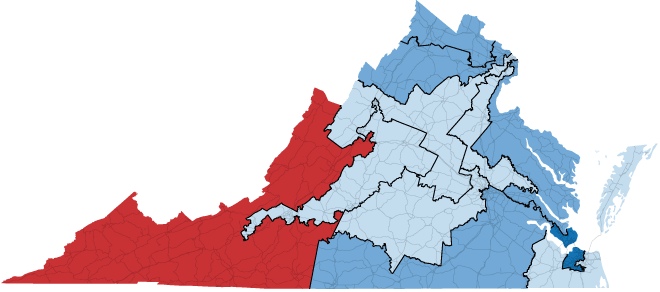
Virginia's months-long and highly contentious redistricting battle officially came to a close earlier this week, when the Virginia Supreme Court struck down the Democrats' 10-1 gerrymandered map, backed by newly elected Governor Spanberger. This effort comes in the lead-up to the November 2026 midterm elections, and follows a series of high-profile redistricting battles across America over the past 12 months, including in Texas, California, Indiana, Illinois, and now Florida.
For those unfamiliar, gerrymandering is an entrenched and controversial element of the American political process. It stems from the unique congressional map-apportioning system in the United States, whereby districts are drawn up by the current governing party with far less oversight and fewer safeguards than exist in many other democratic nations. More on this later.
Whilst the recent Virginia ruling is an overall positive for Republicans heading into the midterms, the broader redistricting battles unfolding across the nation raise concerns about election integrity and voter confidence throughout the United States. This comes in a decade already rife with allegations and claims of election fraud and interference from both sides of the aisle.
While in the US recently as part of my Global Explorers opportunity, I was given an in-depth look at the Republican campaign against the redistricting bill by state party insiders, and joined one round of door-to-door campaigning the weekend before voting day. That vote came to a head on 21 April, when the proposal narrowly passed by a margin of just 3%. The result was driven largely by a last-minute surge of support from Democrat-heavy Northern Virginia, particularly Fairfax County.
The atmosphere on the ground was tense. Most voters appeared to have made up their minds well before door-knocking and grassroots efforts had begun. Campaigners, notably those in Fairfax County, frequently encountered frustrated Democrat-leaning residents shutting doors immediately after stating they had already voted during early voting and would not be convinced. Republican-leaning voters, by contrast, often responded with enthusiastic encouragement, similarly noting they had cast their ballots ahead of election day. Very few Virginians spoken to appeared unaware of the election or the controversy surrounding it.
What makes the situation in Virginia particularly interesting is just how starkly it reveals the contrast between the United States and other Western democracies. Back home in Australia, what Americans call "congressional redistricting" (known here as federal electorate mapping) is almost entirely removed from partisan influence. It is placed under the auspices of independent redistribution committees in each state, appointed and overseen by the Australian Electoral Commission (AEC). The AEC is an independent federal body responsible for all electoral matters, from running elections during campaign season, to ensuring fairness in advertising and campaign financing, and most notably, drawing federal and state electoral boundaries.
Graeme Orr, professor at the University of Queensland and author of The Law of Politics, has stated: "There is a firm, multi-partisan consensus behind the key features of redistributions in Australia. There is a respect for the independence of the redistribution commissions." This consensus is echoed across party lines back home. In classic Aussie fashion, the process makes a genuine attempt to ensure every party gets a fair go. It hasn't eliminated all controversy and political disputes around election time. No democratic system can. But it does ensure that the notion of politicians choosing their voters, instead of voters choosing their politicians, is a mostly foreign concept. Australian voters can go into the polls with confidence that their electorate is a proportional and fair representation of the country's demographics, just as their neighbouring electorate is.
The American right must understand that curbing gerrymandering is not about handing victories to Democrats. It is the first step to rebuilding electoral integrity and voter trust in the democratic process. Gerrymandering is often tolerated when it benefits one side, and neither Democrats nor Republicans are entirely innocent of this. However, when decisive action has been needed for the greater good of the country, it has historically been the Republicans who have stepped up to be the responsible voice of change. In this crucial moment, where trust in elections and public institutions is under immense strain across the Western world, the United States, as the leader of the free world, must be willing to look abroad and consider alternative systems with a long-standing track record of success.
The Australian model isn't perfect, and no one is advocating for it to be replicated precisely. America is a uniquely decentralised nation, and the sovereignty, independence, and autonomy of each state cannot be undermined or downplayed. This is why suggesting the implementation of a federal body such as the AEC would be unreasonable. However, the Australian model is well worth considering by state election boards across the country, as a means of restoring faith in democratic representation and reducing accusations of unfair map manipulation in years to come.
The Global Explorers program is made possible by the generosity of our CPAC donors. Applications for 2027 will open later this year — stay tuned for details.
Think this could be you? Learn more about the Global Explorers program here and start getting ready.
Virginia's months-long and highly contentious redistricting battle officially came to a close earlier this week, when the Virginia Supreme Court struck down the Democrats' 10-1 gerrymandered map, backed by newly elected Governor Spanberger. This effort comes in the lead-up to the November 2026 midterm elections, and follows a series of high-profile redistricting battles across America over the past 12 months, including in Texas, California, Indiana, Illinois, and now Florida.
For those unfamiliar, gerrymandering is an entrenched and controversial element of the American political process. It stems from the unique congressional map-apportioning system in the United States, whereby districts are drawn up by the current governing party with far less oversight and fewer safeguards than exist in many other democratic nations. More on this later.
Whilst the recent Virginia ruling is an overall positive for Republicans heading into the midterms, the broader redistricting battles unfolding across the nation raise concerns about election integrity and voter confidence throughout the United States. This comes in a decade already rife with allegations and claims of election fraud and interference from both sides of the aisle.
While in the US recently as part of my Global Explorers opportunity, I was given an in-depth look at the Republican campaign against the redistricting bill by state party insiders, and joined one round of door-to-door campaigning the weekend before voting day. That vote came to a head on 21 April, when the proposal narrowly passed by a margin of just 3%. The result was driven largely by a last-minute surge of support from Democrat-heavy Northern Virginia, particularly Fairfax County.
The atmosphere on the ground was tense. Most voters appeared to have made up their minds well before door-knocking and grassroots efforts had begun. Campaigners, notably those in Fairfax County, frequently encountered frustrated Democrat-leaning residents shutting doors immediately after stating they had already voted during early voting and would not be convinced. Republican-leaning voters, by contrast, often responded with enthusiastic encouragement, similarly noting they had cast their ballots ahead of election day. Very few Virginians spoken to appeared unaware of the election or the controversy surrounding it.
What makes the situation in Virginia particularly interesting is just how starkly it reveals the contrast between the United States and other Western democracies. Back home in Australia, what Americans call "congressional redistricting" (known here as federal electorate mapping) is almost entirely removed from partisan influence. It is placed under the auspices of independent redistribution committees in each state, appointed and overseen by the Australian Electoral Commission (AEC). The AEC is an independent federal body responsible for all electoral matters, from running elections during campaign season, to ensuring fairness in advertising and campaign financing, and most notably, drawing federal and state electoral boundaries.
Graeme Orr, professor at the University of Queensland and author of The Law of Politics, has stated: "There is a firm, multi-partisan consensus behind the key features of redistributions in Australia. There is a respect for the independence of the redistribution commissions." This consensus is echoed across party lines back home. In classic Aussie fashion, the process makes a genuine attempt to ensure every party gets a fair go. It hasn't eliminated all controversy and political disputes around election time. No democratic system can. But it does ensure that the notion of politicians choosing their voters, instead of voters choosing their politicians, is a mostly foreign concept. Australian voters can go into the polls with confidence that their electorate is a proportional and fair representation of the country's demographics, just as their neighbouring electorate is.
The American right must understand that curbing gerrymandering is not about handing victories to Democrats. It is the first step to rebuilding electoral integrity and voter trust in the democratic process. Gerrymandering is often tolerated when it benefits one side, and neither Democrats nor Republicans are entirely innocent of this. However, when decisive action has been needed for the greater good of the country, it has historically been the Republicans who have stepped up to be the responsible voice of change. In this crucial moment, where trust in elections and public institutions is under immense strain across the Western world, the United States, as the leader of the free world, must be willing to look abroad and consider alternative systems with a long-standing track record of success.
The Australian model isn't perfect, and no one is advocating for it to be replicated precisely. America is a uniquely decentralised nation, and the sovereignty, independence, and autonomy of each state cannot be undermined or downplayed. This is why suggesting the implementation of a federal body such as the AEC would be unreasonable. However, the Australian model is well worth considering by state election boards across the country, as a means of restoring faith in democratic representation and reducing accusations of unfair map manipulation in years to come.
The Global Explorers program is made possible by the generosity of our CPAC donors. Applications for 2027 will open later this year — stay tuned for details.
Think this could be you? Learn more about the Global Explorers program here and start getting ready.